


XERF Skin Tightening: The Dual-Frequency RF Treatment Everyone Is Asking About
XERF is a monopolar radiofrequency device that uses two frequencies, 6.78 MHz and 2 MHz, to deliver energy at multiple depths of the skin simultaneously for non-invasive skin tightening and rejuvenation. Unlike other RF devices that use one frequency and work on only one layer at a time, XERF's dual-frequency system allows deeper penetration through a single treatment tip, with energy exiting through a grounding pad placed elsewhere on the body.
XERF is a monopolar radiofrequency device that uses two frequencies at once, 6.78 MHz and 2 MHz, to tighten skin at multiple depths during a single treatment. Unlike older RF systems that work on one layer at a time, XERF delivers energy simultaneously through deeper and more superficial layers, which is why clients and practitioners are asking about it. The device is designed for non-invasive skin tightening and rejuvenation without surgery or significant downtime.
If you've been researching skin tightening options, you've likely seen XERF mentioned alongside treatments like HIFU, Morpheus8, and RF microneedling. This article explains what makes XERF different, how the technology works, and who benefits most from this approach.
What XERF Stands For and What It Does
XERF is short for eXperience Exponential RF. The name refers to the way the device amplifies radiofrequency energy delivery by using two frequencies instead of one.
Radiofrequency devices heat the deeper layers of skin to stimulate collagen production and tighten existing collagen fibers. Over time, this leads to firmer, smoother skin. XERF does this without needles, lasers, or incisions.
The treatment is used on the face, neck, and body. Common concerns include sagging jawlines, loose skin on the neck, laxity around the eyes, and areas where collagen loss has progressed but surgery feels premature.
How Monopolar Radiofrequency Works
Jenna Queller, MD, a board-certified dermatologist in Boca Raton, Florida, explains the system. "In monopolar systems, energy travels from a single treatment tip into the deeper layers of the skin and exits through a grounding pad placed elsewhere on the body. This allows for deeper penetration of heat compared to other systems."
The grounding pad is typically placed on the lower back, thigh, or another neutral area. The energy flows from the handpiece through tissue and completes the circuit at the pad. This path allows the radiofrequency to reach depths that bipolar or multipolar devices cannot.
Bipolar devices, by contrast, use two electrodes on the same handpiece. Energy travels between them, staying closer to the surface. Monopolar systems like XERF go deeper because the energy has farther to travel.
The Dual-Frequency Design
What separates XERF from other monopolar RF devices is its use of two frequencies at the same time.
Dr. Queller continues, "What makes XERF unique and, honestly, quite interesting from a science standpoint, is that it uses dual frequencies, 6.78 MHz and 2 MHz, to deliver energy at multiple depths of the skin simultaneously."
Most radiofrequency devices use a single frequency. That frequency penetrates to a specific depth. If you want to target a different layer, you need a different device or a different setting. XERF eliminates that step by working on multiple layers during the same pass.
The 6.78 MHz frequency works in the more superficial layers, closer to the surface. The 2 MHz frequency reaches deeper into the dermis and subcutaneous tissue. Together, they create a gradient of controlled heating that affects both the architecture of the skin and the underlying support structure.
This matters because skin laxity is not a single-layer problem. Tightening requires changes in the dermis, where collagen fibers sit, and in the deeper tissue, where structural support begins to weaken with age. A device that addresses only one layer will produce incomplete results. XERF's multifrequency design is built to work on both.
Who Benefits From XERF
XERF is appropriate for clients with mild to moderate skin laxity who want improvement without surgery. It works well for people in their late thirties through their sixties, depending on skin condition and expectation.
Good candidates typically have realistic goals. XERF will not replicate a surgical facelift, but it can delay the need for one or serve as maintenance after a procedure. It works on all skin tones, which is not true of all energy-based devices.
The treatment is also useful for clients who have already tried other non-invasive options and found them insufficient. Because XERF reaches deeper and works on multiple layers, it often produces visible changes in people who were underwhelmed by previous RF treatments.
Clients with very thin skin, active infections, or certain implants may not be suitable. A consultation determines candidacy. For a detailed breakdown, see who is a good candidate for XERF and who should look elsewhere.
How XERF Compares to Other RF Devices
XERF is not the only radiofrequency device available. Understanding the differences helps clarify when it makes sense.
Morpheus8 combines microneedling with radiofrequency. Needles puncture the skin and deliver RF energy directly into targeted depths. This creates more controlled trauma and requires more downtime. XERF, by contrast, is non-invasive and requires no needles.
HIFU uses ultrasound energy instead of radiofrequency. It targets a very specific depth, typically the SMAS layer, and creates discrete zones of thermal injury. XERF heats a broader area with less focused intensity. HIFU tends to produce sharper results in one session, while XERF requires a series but offers more gradual, natural-looking improvement.
Traditional RF microneedling devices often use a single frequency. XERF's dual-frequency approach means it does not need needles to reach multiple depths. Clients who want the results of RF without the punctures often prefer XERF.
What to Expect During a Session
A XERF session lasts 30 to 60 minutes, depending on the treatment area. The skin is cleaned and a gel is applied to allow the handpiece to glide smoothly.
The practitioner places the grounding pad on a neutral area and moves the handpiece over the treatment zone in overlapping passes. Most clients feel warmth, sometimes described as a hot stone massage. Discomfort is typically mild and no anesthesia is needed.
Skin may appear flushed immediately after, similar to a mild sunburn. This usually resolves within a few hours. Some clients notice slight swelling for a day or two. There is no open wound, no peeling, and no need to avoid sun exposure beyond normal precautions.
Results develop gradually as collagen remodels. Most protocols involve three to six sessions spaced a few weeks apart. Improvement continues for several months after the final session. For specifics on treatment frequency, see how many XERF sessions you actually need.
Why Clients Are Choosing XERF Over Surgery
The appeal of XERF lies in its ability to produce meaningful tightening without the risks, cost, or recovery associated with surgery. It does not replace a facelift for severe laxity, but it addresses the middle ground where skin has loosened but surgery feels excessive.
Clients who are not ready for a surgical commitment, who want to maintain results from a previous procedure, or who prefer a gradual, natural-looking improvement tend to respond well to XERF. The dual-frequency design makes it more effective than older RF devices, and the lack of needles or downtime makes it easier to fit into a schedule.
It also pairs well with other treatments. Many clients combine XERF with exosome facials or regenerative therapies to address both skin quality and structural support. XERF handles the tightening, while other modalities improve texture, tone, and cellular turnover.
Supporting Your Results at Home
Radiofrequency treatments work by stimulating collagen production, but collagen synthesis depends on the skin's overall health. Supporting your results at home extends the benefit of each session.
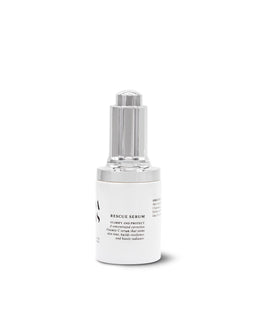
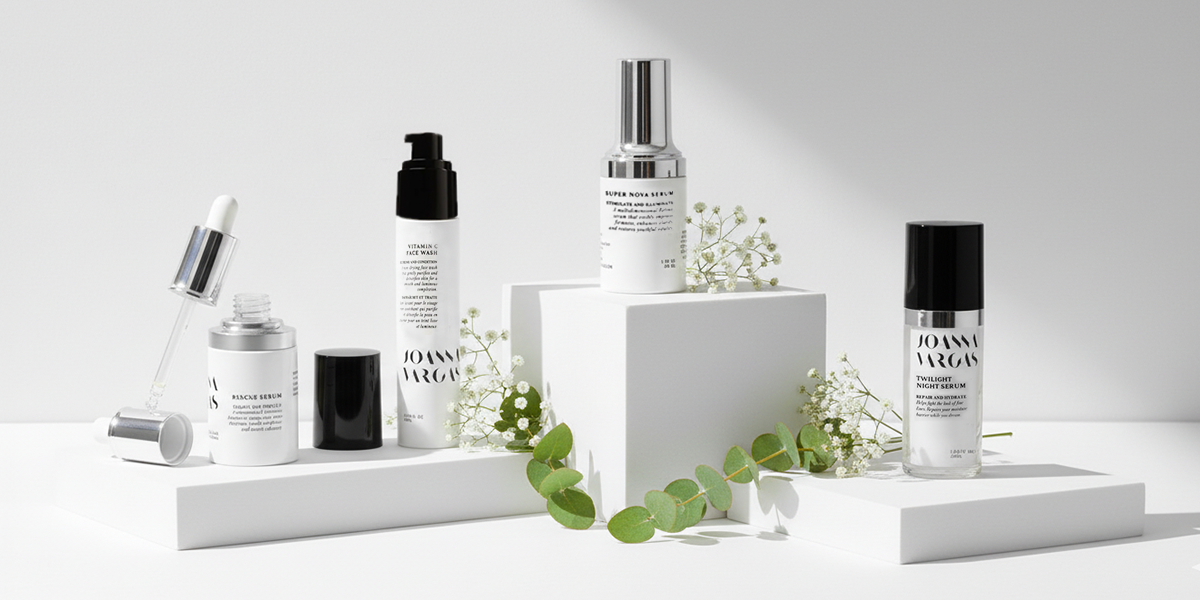
A vitamin C serum like Rescue Vitamin C + Squalane Serum protects new collagen from oxidative damage and supports fibroblast activity. Retinol, used carefully, encourages cell turnover and collagen remodeling. Supernova Retinol Serum is formulated to deliver results without thinning the skin.
Hydration is essential during the healing phase. Daily Hydrating Cream provides moisture without heaviness, and weekly masking with Twilight Face Mask keeps skin plump and resilient.
Sun protection is non-negotiable. UV exposure degrades collagen faster than the body can rebuild it. A broad-spectrum sunscreen should be applied daily, even on cloudy days. For more on building a protective routine, read whether sunscreen alone is enough.
What Research Says About XERF
XERF is a newer device, and the body of published research is still growing. Early studies show measurable improvement in skin laxity, particularly on the face and neck, with a series of treatments.
The dual-frequency mechanism is supported by the physics of radiofrequency energy. Different frequencies penetrate to different depths based on the wavelength and tissue properties. Using two frequencies simultaneously allows a device to create thermal effects in multiple zones without requiring separate passes or multiple handpieces.
Clinical data on XERF continues to accumulate. The first human clinical study documented improvement in firmness and texture, with results lasting several months post-treatment. For a broader look at the evidence base, see what the evidence shows.
When to Consider XERF
XERF makes sense when you notice laxity but are not ready for surgery, when you want to maintain results from a previous procedure, or when other non-invasive treatments have not delivered the improvement you expected.
It also works well as part of a broader anti-aging strategy. Skin tightening addresses structure, but texture, tone, and cellular health require different approaches. Combining XERF with treatments that target skin quality creates more complete rejuvenation.
If you are exploring your options, a consultation will clarify whether XERF is the right fit for your goals, timeline, and skin condition. Not every treatment is appropriate for every client, and choosing the wrong modality wastes time and money.
To book an appointment or learn more about XERF and other advanced treatments, visit joannavargas.com. If you're not sure where to start, take the Skin Code Quiz to identify the routine and treatments that match your skin's current needs.
Frequently asked questions
How is XERF different from other radiofrequency devices?
XERF uses two frequencies, 6.78 MHz and 2 MHz, to deliver energy at multiple depths of the skin simultaneously. Most other RF devices use a single frequency and can only target one layer at a time. XERF is also monopolar, meaning energy travels from a single treatment tip through deeper tissue and exits via a grounding pad, allowing for deeper penetration than bipolar or multipolar devices.
Does XERF require needles or downtime?
No. XERF is non-invasive and does not use needles. There is no puncturing of the skin, no open wounds, and no significant downtime. Most clients experience mild redness or warmth immediately after treatment, which resolves within a few hours. Some notice slight swelling for a day or two, but there is no peeling or extended recovery.
How many XERF sessions will I need?
Most protocols involve three to six sessions spaced a few weeks apart. The exact number depends on your skin condition, treatment area, and goals. Results develop gradually as collagen remodels, and improvement continues for several months after the final session.
Can XERF replace a facelift?
No. XERF is designed for mild to moderate skin laxity and produces meaningful tightening without surgery. It will not replicate the results of a surgical facelift, but it can delay the need for one, serve as maintenance after a procedure, or offer a non-surgical option for clients who are not ready for or do not want surgery.
Is XERF safe for all skin tones?
Yes. XERF works on all skin tones. Unlike some energy-based devices that carry a higher risk of pigmentation changes in darker skin, monopolar radiofrequency does not rely on melanin targeting and is considered safe across the full range of Fitzpatrick skin types. A consultation will confirm candidacy based on your individual skin condition and health history.




Leave a comment