



Why Darker Skin Tones Are More Sensitive Than You Think
Melanin-rich skin tones are often more sensitive than lighter complexions, despite common assumptions. While darker skin may not wrinkle as prominently or quickly because dermal cells are packed more tightly, African-American, Hispanic, Asian, and Mediterranean skin is actually more prone to irritation, breakouts, and conditions like rosacea. Thickness does not equal resilience, and understanding this allows for better, more personalized care.
If you have melanin-rich skin, you may have been told you're lucky because your skin won't wrinkle as quickly. That part is often true. But what most people don't realize is that darker skin tones are actually more sensitive than lighter ones, even though they may appear thicker or more resilient.
The Myth About Thicker Skin
Many of our African-American, Hispanic, Asian, and Mediterranean clients assume that because their skin feels or looks thicker, they won't experience the breakouts, redness, or irritation that other skin tones do.
That's not the case at all.
In our experience at the salons, more melanin-rich, dark skin tones may not wrinkle as prominently or quickly because the cells in their dermis are packed more tightly. But their skin is actually more sensitive than lighter skin tones.
Thickness doesn't mean immunity. It doesn't mean your skin can handle anything you throw at it.
Why Sensitivity Shows Up Differently
Sensitivity in darker skin doesn't always look like the flushed redness you might see on fair complexions. Instead, it shows up as inflammation, post-inflammatory hyperpigmentation, uneven tone, or breakouts that linger longer than they should.
Because melanin-rich skin has a more active inflammatory response, even minor irritation can trigger lasting pigmentation changes. A small breakout can leave a mark for months. A reaction to the wrong product can cause dark spots that feel impossible to fade.
This is why recognizing the signs of sensitive skin is so important, regardless of your tone.
What Triggers Sensitivity in Melanin-Rich Skin
The same culprits that irritate lighter skin can affect darker skin, but the aftermath is often more visible and longer lasting.
Harsh Cleansers
Foaming cleansers with sulfates, alcohol-heavy toners, and stripping formulas can compromise the skin barrier. When that happens, inflammation follows.
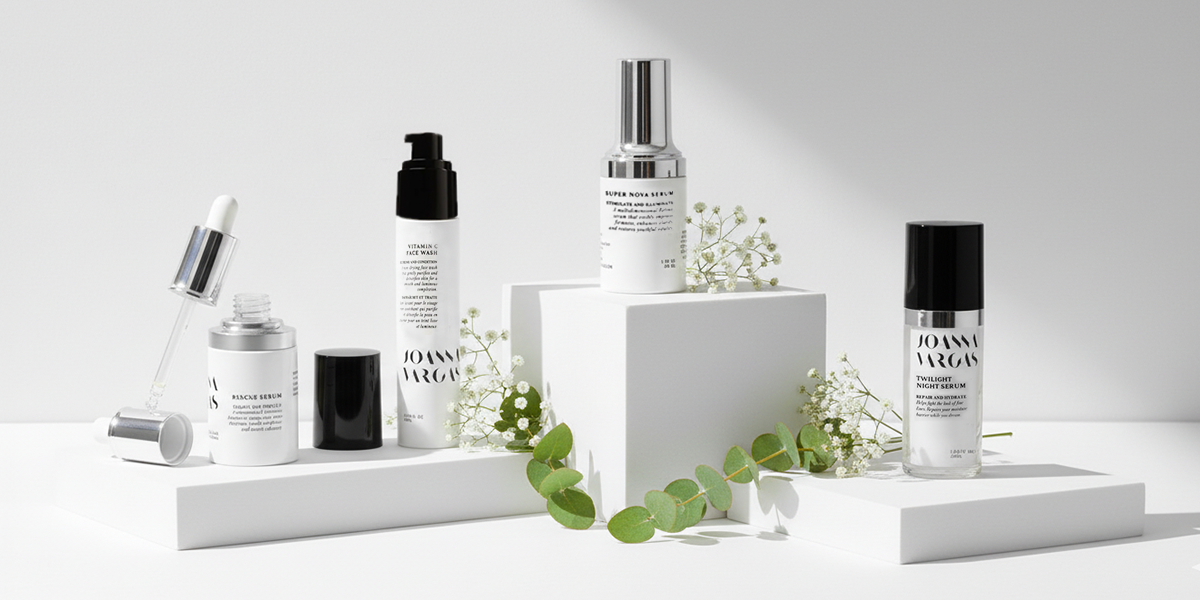
We recommend choosing a cleanser that purifies without stripping. Our Vitamin C Face Wash is gentle enough for daily use and supports barrier health while brightening tone over time.
Over-Exfoliation
Physical scrubs, daily acids, or aggressive peels can trigger inflammation that shows up as dark spots or uneven texture. Exfoliation is essential, but it needs to be controlled and intentional.
Our Exfoliating Face Mask uses gentle enzymatic exfoliation to refine texture without the micro-tears that physical scrubs can cause.
Environmental Stress
Pollution, UV exposure, and even indoor heating can weaken the skin barrier and cause oxidative stress. Darker skin tones are not immune to sun damage. In fact, UV exposure can worsen hyperpigmentation and accelerate uneven tone.
Antioxidant protection is non-negotiable. The Daily Serum, with its purifying chlorophyll and skin-strengthening botanicals, helps defend against environmental aggressors while calming reactive skin.
Fragrance and Essential Oils
Even natural ingredients can be sensitizing. Fragrance, whether synthetic or plant-based, is one of the most common triggers for irritation in all skin tones.
We formulate without unnecessary fragrance and focus instead on ingredients that support skin function, not just scent.
How Aging Shows Up in Melanin-Rich Skin
While darker skin may not develop fine lines as early as lighter tones, aging still happens. It just looks different.
Instead of creping or wrinkling, melanin-rich skin often shows age through loss of firmness, uneven tone, and changes in texture. Hyperpigmentation becomes more prominent. The skin may look dull or ashy even when moisturized.
Understanding how your skin changes over time helps you adjust your routine before issues become entrenched.
The Role of Inflammation
Inflammation is at the root of most skin concerns, from breakouts to pigmentation to premature aging. And melanin-rich skin tends to have a stronger inflammatory response.
That's why purification is the cornerstone of everything we do. When you reduce inflammation at the source, you stop the cascade that leads to sensitivity, reactivity, and long-term damage.
Our approach focuses on calming the skin, strengthening the barrier, and supporting the skin's own ability to heal and renew itself.
What Works for Sensitive, Melanin-Rich Skin
Your routine should be gentle, consistent, and focused on barrier support. You don't need ten steps. You need the right steps.
Start With a Gentle Cleanse
Use a formula that removes impurities without stripping natural oils. Cleansing should never leave your skin feeling tight or dry.
Layer in Antioxidants
Antioxidants help neutralize free radicals and reduce inflammation. Vitamin C, in particular, can help brighten tone and fade post-inflammatory hyperpigmentation over time.
If you're new to vitamin C, start with a gentle vitamin C cleanser before introducing a serum.
Hydrate Without Clogging
Melanin-rich skin can be oily and dehydrated at the same time. You need lightweight hydration that doesn't sit on the surface or trigger breakouts.
Daily Hydrating Cream delivers moisture without heaviness, making it ideal for combination or sensitive skin.
Protect Daily
Sunscreen is essential, even if you don't burn easily. UV exposure worsens hyperpigmentation and compromises barrier health. Choose a broad-spectrum SPF that doesn't leave a white cast.
Learn more about whether sunscreen alone is enough or if you need additional protection.
Add Targeted Treatments as Needed
Sheet masks, overnight serums, and treatment oils can be rotated in when your skin needs extra support.
The Twilight Face Mask is deeply hydrating and calming, perfect for stressed or irritated skin. The Rejuvenating Antioxidant Oil Serum helps repair barrier damage and soothe inflammation overnight.
What Not to Do
Avoid the temptation to treat your skin aggressively just because it looks or feels resilient. Over-treating is one of the fastest ways to trigger sensitivity.
Don't layer too many actives at once. Don't use physical scrubs daily. Don't assume your skin can "handle it" just because it's darker.
Listen to your skin. If it's reacting, pull back. Simplify. Focus on calming and strengthening before you add anything new.
Why Personalized Care Matters
There is no one-size-fits-all solution, especially when it comes to melanin-rich skin. Your skin's needs will shift with the seasons, your stress levels, your hormones, and your environment.
That's why we built our entire approach around customization. We don't offer rigid regimens. We offer programs that adjust as your life does.
Whether you're dealing with breakouts, uneven tone, or sensitivity, the right combination of products and techniques can make a profound difference.
Professional Support Makes a Difference
At the salons, we work with clients of every skin tone, and we see firsthand how melanin-rich skin responds to gentle, purifying treatments.
Our transformative facials are designed to address sensitivity, inflammation, and pigmentation without aggravating the skin. Treatments like the Triple Crown Classic combine exfoliation, oxygenation, and microcurrent to refine tone and texture while supporting barrier health.
For clients dealing with stubborn pigmentation or reactivity, we often recommend the Supernova Facial, which uses targeted LED therapy and serums to calm inflammation and promote even tone.
The Bottom Line
Melanin-rich skin is beautiful, resilient, and yes, sensitive. It requires care that honors its unique structure and inflammatory response.
Don't assume your skin can tolerate anything just because it doesn't show redness the way lighter tones do. Pay attention to how your skin feels, not just how it looks.
With the right approach, you can support your skin's natural strength while addressing sensitivity, pigmentation, and aging with confidence.
If you're ready for a personalized approach, book an appointment at one of our salons or take the Skin Code Quiz to discover the routine that works for your skin right now.
Frequently asked questions
Is darker skin really more sensitive than lighter skin?
Yes. While melanin-rich skin may not wrinkle as quickly due to tightly packed dermal cells, it often has a more active inflammatory response. This makes it more prone to irritation, post-inflammatory hyperpigmentation, and reactivity, even though it may not show redness the way lighter skin does.
Why does my dark skin get dark spots after every breakout?
Melanin-rich skin has a stronger inflammatory response, which means that even minor irritation can trigger lasting pigmentation changes. Post-inflammatory hyperpigmentation is one of the most common concerns for darker skin tones and can persist for months without the right care.
Do I still need sunscreen if I have dark skin?
Absolutely. While darker skin tones have more natural melanin protection, UV exposure still worsens hyperpigmentation, compromises barrier health, and contributes to uneven tone. Broad-spectrum SPF is essential for all skin tones, especially if you're dealing with dark spots or sensitivity.
What's the best way to fade hyperpigmentation on melanin-rich skin?
Focus on gentle, consistent care that reduces inflammation and supports barrier health. Antioxidants like vitamin C can help brighten tone over time. Avoid over-exfoliating or using harsh actives that can trigger more pigmentation. Patience and a purifying, calming routine are key.
Can I use the same products as someone with lighter skin?
Not always. While many ingredients work across all skin tones, melanin-rich skin often needs formulas that prioritize barrier support, anti-inflammatory ingredients, and gentle exfoliation. Avoid products with high fragrance or alcohol, and focus on calming, purifying formulas that won't trigger reactivity.





Leave a comment