



Epidermal Growth Factors: The Nobel Prize-Winning Ingredient
Epidermal growth factor (EGF) is a signaling protein involved in cellular growth and communication. Swiss apple fruit cell culture, typically listed as Malus Domestica Fruit Cell Culture Extract, is a different skincare technology and should not be confused with EGF. Joanna Vargas uses Swiss apple fruit cell culture extract in several formulas, including Eden Niacinamide Calming Serum, Eden Hydrating Pro Moisturizer, Eden Instant Lift Mask, and Supernova Retinol Serum.
Epidermal growth factor, or EGF, is part of a family of signaling proteins that helped transform scientists' understanding of how cells communicate, grow, and renew. The science behind growth factors was significant enough to earn Stanley Cohen and Rita Levi-Montalcini the 1986 Nobel Prize in Physiology or Medicine for their discoveries of growth factors.
In skincare, however, the language around growth factors, stem cells, and plant cell cultures can become confusing very quickly. They are not all the same thing. Understanding the distinction makes it much easier to know what you're actually putting on your skin, and what you can realistically expect from it.
What Is Epidermal Growth Factor?
Epidermal growth factor is a naturally occurring signaling protein involved in cellular growth and communication. Stanley Cohen's research helped establish how EGF interacts with specific receptors on cells, opening an entirely new area of research into the way growth and repair are regulated.
The 1986 Nobel Prize was awarded jointly to Cohen and Rita Levi-Montalcini for their discoveries of growth factors. Levi-Montalcini's groundbreaking work centered on nerve growth factor, or NGF, while Cohen went on to discover and characterize epidermal growth factor.
That distinction matters. The Nobel Prize recognized the fundamental science of growth factors. It was not an award for a cosmetic ingredient or a particular skincare formulation.
Why Growth Factors Became So Interesting to Skincare
Skin is constantly communicating. Cells receive signals, respond to their environment, and participate in the ongoing processes that help maintain the skin's structure and appearance.
As we age, those processes change. Skin undergoes significant structural changes between our 30s and 80s, including changes in renewal, hydration, elasticity, and barrier function.
That is why growth-factor science became so compelling to the beauty industry. Instead of thinking only about what can be removed from the surface of the skin, researchers began paying greater attention to the signals involved in how skin functions beneath it.
Topical skincare formulations inspired by this science are designed to support healthier-looking, more resilient skin. But formulation matters enormously, and not every ingredient marketed using the language of "growth factors" or "stem cells" is biologically the same.
EGF and Plant Stem Cells Are Not the Same Thing
This is where skincare terminology often becomes blurred.
Epidermal growth factor is a signaling protein.
Plant stem cell ingredients used in cosmetics are typically extracts produced from plant cell cultures.
A Swiss apple fruit cell culture extract, for example, is not epidermal growth factor. It comes from cultured apple cells and appears on an ingredient list as Malus Domestica Fruit Cell Culture Extract.
Both technologies became part of a larger conversation about cellular science and skin longevity, which is likely why they are sometimes discussed together. But they should not be treated as interchangeable ingredients.
The Swiss Apple Connection
One of the best-known plant cell culture ingredients in luxury skincare comes from a Swiss apple variety prized historically for its ability to remain fresh during storage.
Cosmetic scientists developed a fruit cell culture extract from the apple, creating an ingredient now commonly identified on skincare labels as Malus Domestica Fruit Cell Culture Extract.
For Joanna, the interest in ingredients like this has always been less about chasing a scientific-sounding trend and more about formulation: combining advanced botanical ingredients with hydration, antioxidants, barrier support, and proven skincare actives to help the skin look healthy, balanced, and resilient.
What Can Swiss Apple Fruit Cell Culture Do for Skin?
Swiss apple fruit cell culture is used in cosmetic formulas designed to support the appearance of smoother, firmer, more youthful-looking skin.
It is important to keep that language precise. Plant cell culture extracts do not become living human skin cells, nor do they function as human epidermal growth factor. Their value comes from how the extract performs as part of a complete skincare formulation.
That distinction does not make the ingredient less interesting. It simply allows us to talk about it accurately.
Where You'll Find Swiss Apple Fruit Cell Culture at Joanna Vargas
Swiss apple fruit cell culture appears in several Joanna Vargas formulas, each using the ingredient within a different approach to skin health.
Eden Niacinamide Calming Serum
Eden Niacinamide Calming Serum combines Malus Domestica Fruit Cell Culture Extract with niacinamide, botanical extracts, humectants, and barrier-supportive ingredients.
The formula was created with stressed and sensitive-looking skin in mind, making it an especially relevant example of Joanna's philosophy: advanced ingredients are most useful when the skin is also being supported, soothed, and hydrated.
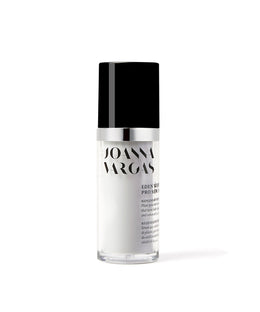
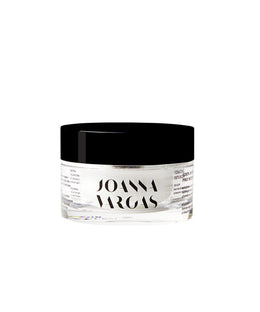
Eden Hydrating Pro Moisturizer
Eden Hydrating Pro Moisturizer also contains Malus Domestica Fruit Cell Culture Extract, alongside niacinamide, macadamia seed oil, sodium hyaluronate, ceramides, and botanical extracts.
Rather than asking one ingredient to do everything, the formula surrounds the apple fruit cell culture with ingredients that help maintain hydration and support the skin barrier.
Eden Instant Lift Mask
Eden Instant Lift Mask pairs Swiss apple fruit cell culture with CoQ10 and hyaluronic acid in a treatment designed to leave skin looking hydrated, plump, refreshed, and visibly firmer.
This is a useful way to think about plant cell culture technology: not as a miracle ingredient working in isolation, but as one part of a sophisticated formula.
Supernova Retinol Serum
Supernova Retinol Serum contains Malus Domestica (Apple) Fruit Cell Culture Extract alongside retinol, peptides, botanical extracts, antioxidants, and soothing ingredients.
Here, the apple fruit cell culture sits within a very different kind of formula. Retinol addresses the appearance of fine lines, uneven tone, and texture, while the surrounding ingredients are designed to help keep the formula hydrating and balanced.
Why the Formula Matters More Than the Buzzword
Skincare ingredients rarely work in isolation. A compelling ingredient may attract attention, but the complete formulation determines how a product feels, how consistently you can use it, and how it fits into the rest of your routine.
This is especially important with ingredients connected to emerging biotechnology. Terms like growth factor, stem cell, peptide, and cell culture can sound similar while describing very different technologies.
The smartest approach is not to look for the most futuristic phrase on the front of the bottle. Look at the complete ingredient list and consider what the formula is actually designed to accomplish.
How to Incorporate These Ingredients Into Your Routine
If you're using a serum such as the Eden Niacinamide Calming Serum, apply it after cleansing and before moisturizer. Follow with Eden Hydrating Pro Moisturizer when additional hydration and barrier support are needed.
The Eden Instant Lift Mask can be used as a more concentrated treatment when the skin needs an immediate hydration and radiance boost.
Supernova Retinol Serum belongs in a different category because it contains retinol. Introduce it gradually, particularly if your skin is sensitive, and use daily sun protection as part of your routine.
If you're already following a consistent skincare routine, think of these formulas as targeted additions rather than reasons to continually add more steps.
What EGF and Plant Cell Culture Ingredients Can't Do
No topical ingredient replaces lost facial volume, dramatically repositions lax tissue, or eliminates the need for sun protection.
Skincare is most effective when expectations match what a formula is designed to do: support hydration, improve the appearance of texture and tone, soften the look of fine lines, and help maintain healthier-looking skin over time.
For concerns involving deeper skin laxity or structural changes, professional treatments may address a different level of the skin than topical skincare. Non-surgical skin-tightening treatments, for example, are designed for a very different purpose than a serum or moisturizer.
The Bigger Idea: Support How Skin Functions
The lasting importance of growth-factor research goes beyond a single ingredient. It helped establish something fundamental: cells communicate through complex signaling systems, and healthy skin depends on far more than simply exfoliating its surface.
That idea is deeply compatible with Joanna's approach to skin. Healthy-looking skin is not created by attacking it. It comes from supporting the processes that help skin remain hydrated, resilient, balanced, and capable of functioning at its best.
EGF and Swiss apple fruit cell culture are two different technologies within that broader conversation. Understanding the difference allows you to appreciate both without overstating what either one can do.
If you're not sure which formulas make sense for your skin, take the Skin Code Quiz to build a routine around your current needs. Or book an appointment at a Joanna Vargas spa for a personalized approach to your skin.
Frequently asked questions
How long does it take to see results from EGF?
Clinical testing shows a fifteen percent reduction in wrinkles after four weeks of consistent use. You may notice improved texture and slight plumping within the first week, with deeper changes becoming visible by week four. EGF works at the cellular level, so results accumulate over time rather than appearing overnight.
Can I use EGF with retinol?
Yes, EGF and retinol can be used together, but introduce them separately to avoid irritation. Retinol increases cell turnover through exfoliation, while EGF stimulates the creation of new cells. The two mechanisms complement each other. Consider alternating nights or using retinol at night and EGF in the morning.
Is EGF safe for sensitive skin?
Plant-derived EGF is generally well-tolerated by sensitive skin, but introduce it slowly. Most of us have some degree of skin sensitivity, and even beneficial active ingredients can cause irritation if you move too fast. Start with two to three times per week and increase frequency as your skin adjusts.
What's the difference between plant-derived and synthetic EGF?
Plant-derived EGF, particularly from Swiss apple stem cells, is more stable in formulations and better tolerated by sensitive skin. It holds up better under heat and light, which means the product is more likely to deliver what it promises by the time you use it. Synthetic growth factors can sometimes trigger irritation, especially in higher concentrations.
Will EGF work on deep wrinkles?
EGF can reduce the appearance of deeper wrinkles by stimulating new cell generation and improving skin firmness, but it works gradually. Clinical studies show a fifteen percent reduction in wrinkles after four weeks. For significant structural changes, EGF is most effective when paired with professional treatments or other targeted ingredients.




Leave a comment